
Israeli Film Boycott: What It Means for Global Cinema
- FSA Team
- Nov 12, 2025
- 2 min read
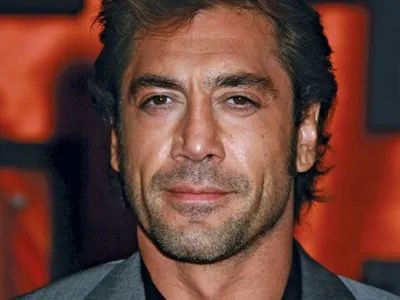
Oscar-winning actor Javier Bardem has thrown his support behind the Israeli film boycott, describing it not as an attack on individuals, but as a call for accountability from institutions and corporations “complicit in injustice.”
The boycott, launched in September 2025 under the campaign Film Workers for Palestine, urges film professionals to refrain from collaborating with Israeli state-funded institutions in protest of the country’s ongoing military actions in Gaza. Over 2,000 filmmakers, actors, and crew members from around the world have signed the pledge — among them Bardem, Tilda Swinton, and Ken Loach.
In a statement this week, Bardem clarified, “It’s not about punishing individuals — it’s about questioning systems of power that enable oppression. Artists have always held mirrors to the world; this is no different.”
The pledge draws historical parallels to the cultural boycotts of apartheid-era South Africa, which used creative industries as a pressure tool against institutional injustice. Yet, critics argue that such bans risk isolating artists who may themselves oppose their government’s policies. The debate, as always, sits between the lines of ethics and expression.
Film festivals have already begun to feel the impact. Several European events have reportedly withdrawn invitations to Israeli state-funded productions, while others insist art must remain a neutral ground for dialogue. Still, in an era where culture and politics constantly overlap, neutrality feels increasingly complicated.
For African creators — who have long used cinema as a form of protest, from Ousmane Sembène to modern political documentarians — the moment feels familiar. The tension between storytelling and state power is universal.
As Bardem’s statement echoes through the global film community, one truth remains clear: art may not change politics overnight, but it can certainly force the conversation to happen.


Comments